


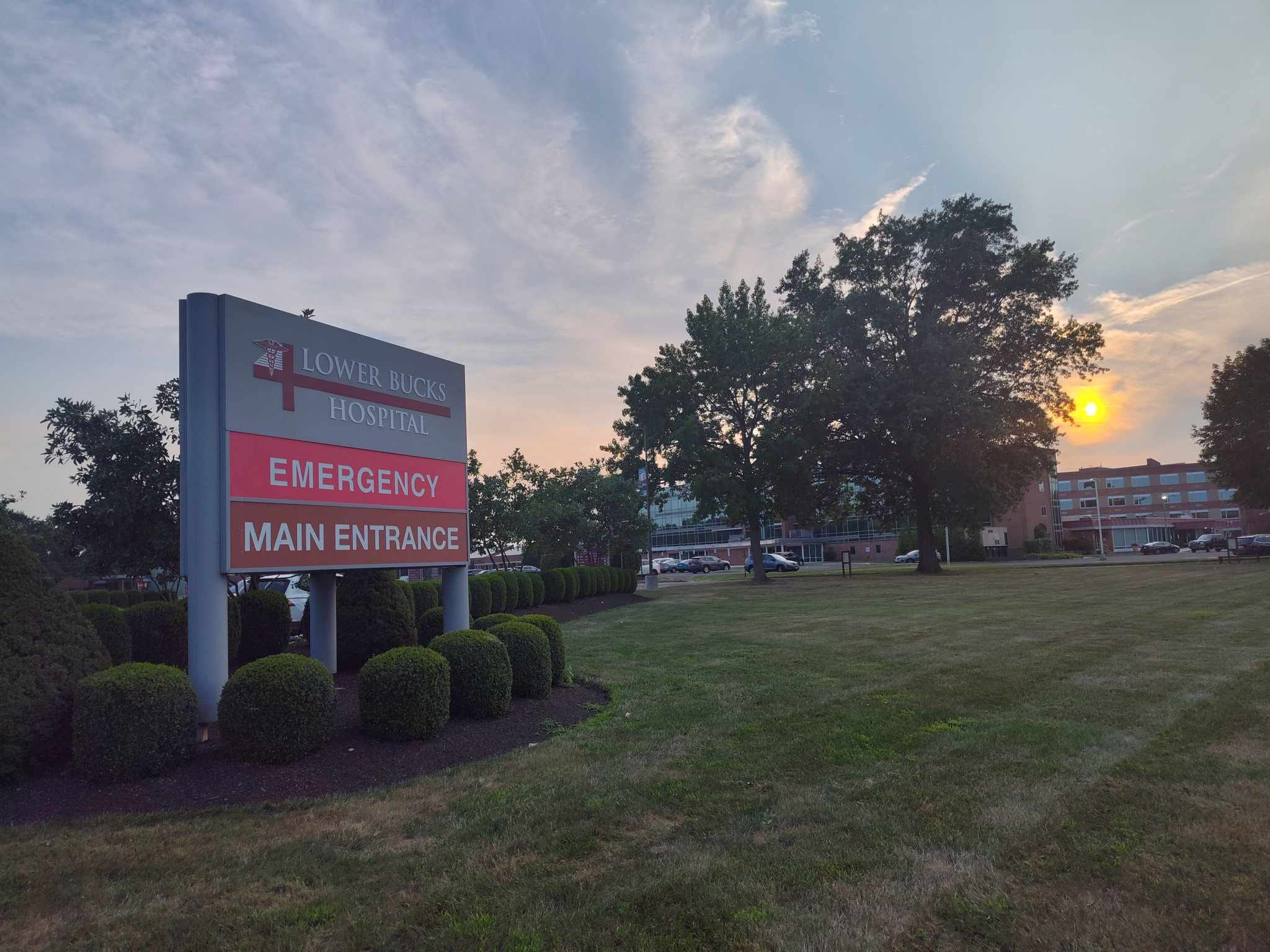
After more than a year of negotiations, that included a strike and picketing, nurses at Lower Bucks Hospital signed a new-three year contract just before the holidays.

Nurses for the Prime Healthcare facility wanted safer staffing levels, recruitment and retention of experienced caregivers —what nurses say is the critical quality of care issues that directly impacted the care of the residents of in Bristol.
“Even now, several years post-COVID, the system that’s supposed to support bedside healthcare professionals and therefore patients is in crisis,” says PASNAP President Maureen May, R.N., a longtime Temple University Hospital nurse. “Following the worst pandemic of our lifetimes, hospital staff numbers have dwindled nationwide due to burnout. This contract, with its emphasis on staffing and measures to improve retention, acknowledges the contributions of frontline caregivers and by prioritizing their numbers and respect for what they bring to the bedside, also prioritizes patient care.”
“Our focus was to fight for staffing levels that would allow us to provide safe, quality care to the patients of this community,” says Lower Bucks Hospital ICU Nurse Anna Carlin, RN, co-president of the Nurses Association of Lower Bucks Hospital. “During negotiations, our thoughts were always with our patients.”
The nurses’ perseverance paid off. Their new 3-year contract includes:
- Meaningful commitments to staffing – a key quality of care indicator. The Union fought to hold off massive staffing cuts and retain seasoned staff, and created new RN positions to assist with staffing. The new contract also provides protections against layoffs.
- Additional benefits for the recruitment and retention of nurses. Nurses will receive increased differentials, on-call pay, and holiday hours as well as protections for experience wage increases and other key benefits, all of which should help to attract new hires and retain current staff, ensuring the safety of our patients and our community.
- Healthy wage increases, also to increase retention of skilled caregivers. Nurses will receive overall wage increases averaging 14% over the life of the contract. Additionally, staff will receive increases based on years of nursing experience, which should go a long way toward attracting caregivers and improving retention of existing staff, all to the benefit of the Lower Bucks Hospital patient community.
We are pleased to announce that Lower Bucks Hospital has successfully reached a three-year agreement with the Pennsylvania Association of Staff Nurses and Allied Professionals (PASNAP). This significant milestone reflects our long-standing tradition of delivering quality medical and nursing care to the patients of our community said LBH Spokeswoman Michelle Aliprantis. “We wish to extend our sincere gratitude to the bargaining teams from both sides for their collaborative efforts in achieving these fair and equitable agreements. Their dedication and commitment have been instrumental in this process.”
“We look forward to continued collaboration with PASNAP and all hospital staff, with a shared focus on what matters most: providing outstanding care to our patients and community” Aliprantis said.
In a unrelated item, Lower Bucks Hospital is converting from for-profit back to its original tax status operating as a non-profit. The actual announcement was made in May by Prime Healthcare and earned very little coverage locally. Prime announced the transition of two of its for-profit hospitals to the Prime Healthcare Foundation, Lower Bucks Hospital and Roxborough Memorial Hospital, in Philadelphia.
“This will improve care coordination between the three facilities and aligns with statewide policy initiatives regarding not-for-profit ownership,” the system said in its announcement.
The Prime Healthcare Foundation was established in 2006, five years after Prime Healthcare, and has more than $1.3 billion in assets donated by Prime Healthcare’s president and CEO, Prem Reddy, M.D., and his family. The charity is active in six states, as opposed to the broader system’s 14-state footprint officials said.
“As not-for-profit healthcare providers, we look forward to engaging the community to develop community health needs assessments that will further improve the health and well-being of all those we serve,” Sonia Mehta, M.D., CEO and Chief Medical Officer of Prime Healthcare Region II (which includes Pennsylvania, New Jersey and Rhode Island). “Prime’s hospitals are valued community assets, and we are focused on ensuring that much-needed care is provided in the way the community needs and deserves, with high quality and affordable healthcare.”
Sources last month told Lower Bucks Source, LBH officials are awaiting the final steps-paperwork approval- before the designation becomes official.




Recent Comments