


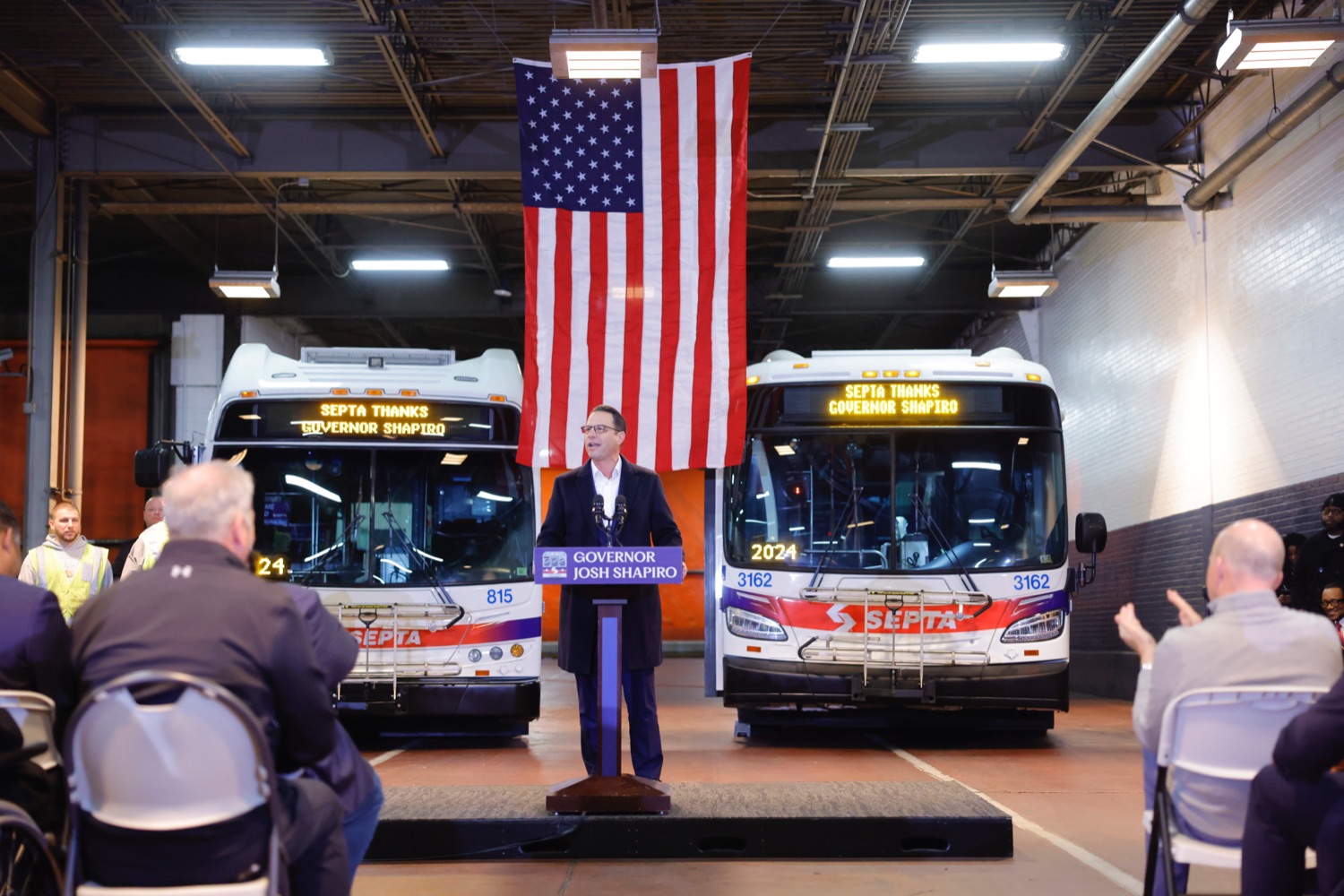
Gov. Josh Shapiro stepped in Friday to ward off further fare increases and service cuts by flexing $153 million in federal funds from projects yet to be started and transferring it to SEPTA postponing a Dec. 13 vote that was going to raise fares by more than 20 percent and cause steep cuts to the authority’s train and bus services.

First, the SEPTA Board, on Thursday, voted to approve the 7.5% fare increase, which will go into effect on December 1. The Travel Wallet fare on buses, subways, and trolleys will be $2.50, which is the same as the cash fare. Most single-trip fares on Regional Rail will increase to align Travel Wallet and Quick Trip pricing, officials said.
The fare hike is an across-the-board raise for anyone using the transportation authority’s buses, trains and regional rail lines. Officials said earlier this month the largest fare increase in its history 21.5 percent would soon be voted on because of state funding shortfall of $240 million.
And then in a dramatic Friday announcement by Gov. Shapiro those yet to be approved increases would be “postponed” because a stop-gap funding was located, originally allocated for other state related projects that have yet to get underway, officials said.
With SEPTA facing a significant funding shortfall due to the expiration of federal pandemic relief funds, Shapiro directed PennDOT Secretary Mike Carroll to begin the process of transferring $153 million in federal highway capital funds to SEPTA. This action will prevent immediate service cuts and a planned 21 percent fare increase, allowing the transit agency – which serves 800,000 people across Southeastern Pennsylvania every day – to maintain critical operations through at least July 2025.
“As Governor, I have a responsibility to serve every region of our Commonwealth — rural, suburban, and urban,” said Governor Shapiro. “Over the past two years, we’ve come together on a bipartisan basis to invest $330.5 million in additional funding for Pennsylvania’s roads and bridges, repairing more poor-condition bridges than any other state and improving more miles of roadway than at any time in the past decade. But while we’ve made great progress on our roadways, we must also address the needs of mass transit riders, particularly those in Southeastern Pennsylvania who rely on SEPTA every day to get to work, school, medical appointments, and more” he said at SEPTA’s Frankford Transportation Center where he was joined by local, state, federal officials along with SEPTA employees.
The flexing of federal highway capital funds — a standard practice in Pennsylvania and across the nation — temporarily reallocates funds from projects not yet underway.
Critically, the Governor’s announcement does not jeopardize or halt any ongoing infrastructure projects already underway across the Commonwealth. The projects are not yet under construction or have been put out to bid.
This will enable SEPTA to postpone a major 21.5% fare increase that was proposed to start January 1, 2025. Public hearings for the proposal, scheduled for Dec. 13, have been cancelled.
Shapiro also secured commitments from the five counties that fund SEPTA to increase their local share, delivering millions in additional funding for the transit agency. These combined efforts will allow SEPTA to maintain current operations, continue investments in safety and cleanliness, and prepare for high-profile events in the coming years, including America’s 250th anniversary, the FIFA World Cup, and the MLB All-Star Game in 2026.
Shapiro has repeatedly pointed to the Republican-led Senate for failing to come up with their own funding formula as the House has two bills to fund SEPTA.
“While the Pennsylvania House of Representatives has passed bipartisan legislation — modeled off my budget proposal — three times in 2024 to increase funding to SEPTA and other public transit agencies statewide, the State Senate did not act on those bills or their own version of funding for mass transit.”
The fare increases approved by the SEPTA board on Thursday are not impacted by Friday’s announcement. The larger, 21.5% proposal was announced recently, after the state legislature adjourned for the year without approving a plan proposed by Gov. Shapiro that would have provided new, sustainable funding for SEPTA and all public transit across the Commonwealth.
SEPTA officials said it will continue to work with its funding partners in Harrisburg on a long-term funding solution in the coming months. In the meantime, the authority will have to prepare for the possibility of large fare increases and service cuts starting in summer 2025 if new funding is not in place.
SEPTA’s last fare increase was in 2017. Planned fare increases in 2020 were deferred due to the pandemic. For more information about SEPTA, visit septa.org, follow on X – @SEPTA, or download the official SEPTA app.



Recent Comments