
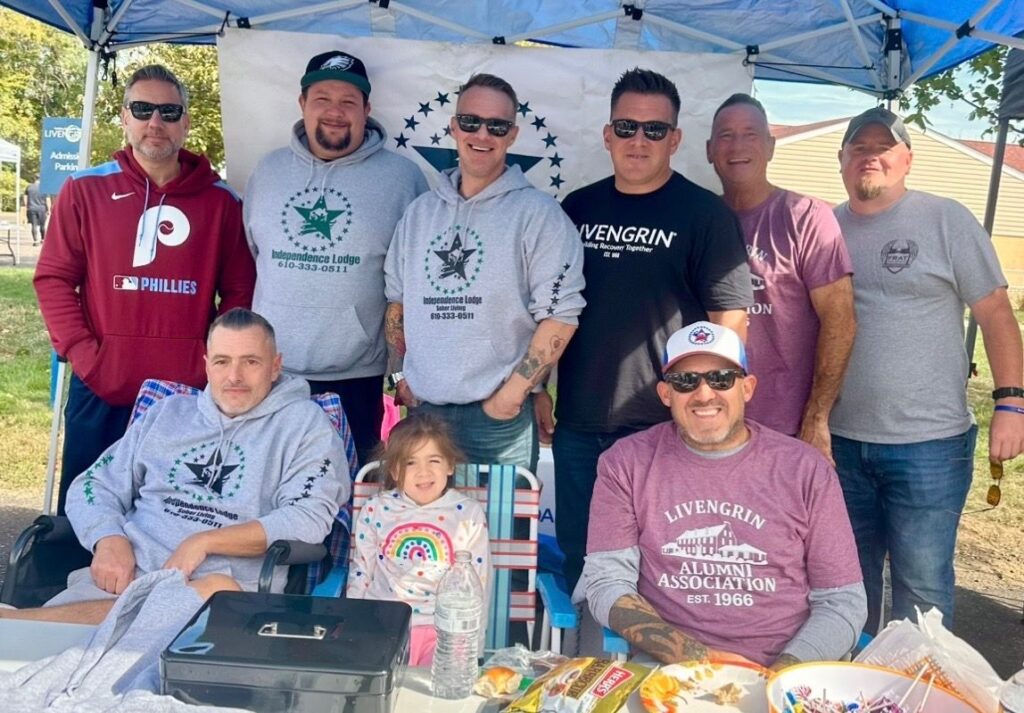
Bryan Kennedy, the CEO and founder of Independence Lodge the recovery home severely damaged in a fire last week, was still trying to wrap up and get a full grasp of everything that occurred the night before.


“I was heartbroken,” he said once he arrived on scene at what remained of the recovery house, he operated in the Croydon section of Bristol Township.
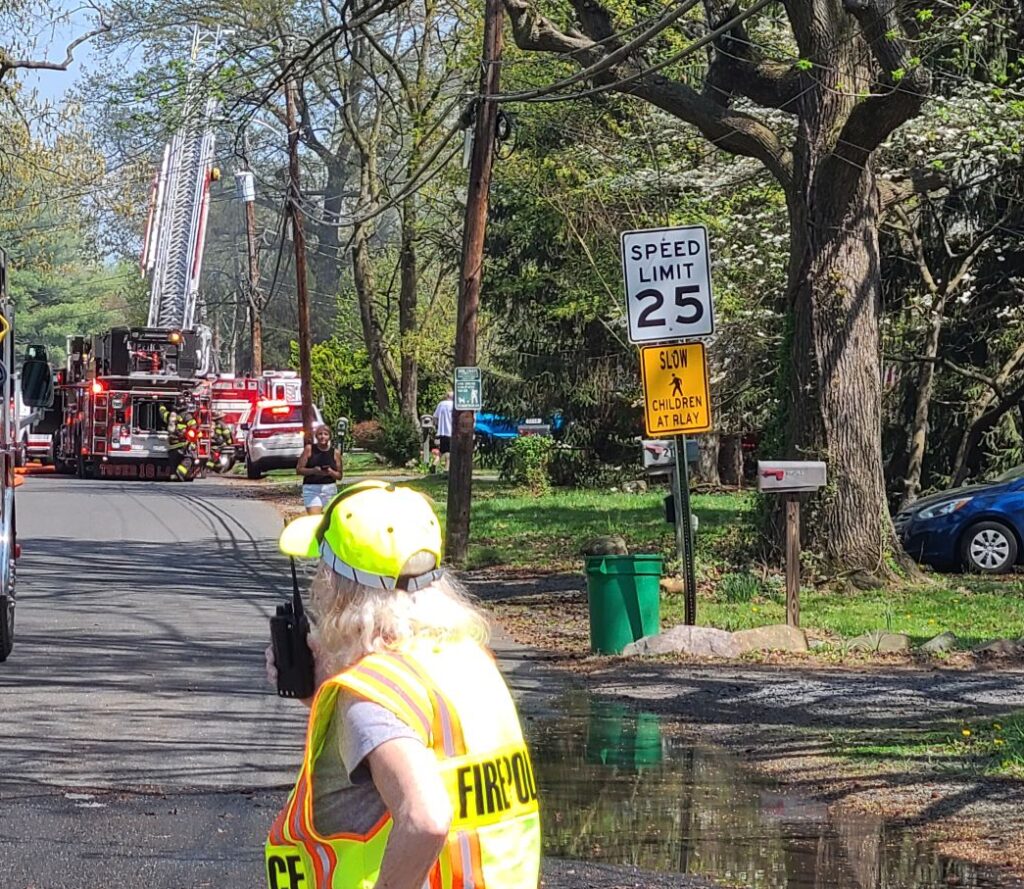
He was on the phone with fire officials, answering all the questions they had and follow-ups too, about Wednesday’s fire that displaced all the men living there he explained early Thursday morning.
“As I was walking through front end – where the living room is/was, I looked down at the foot of one of the couches and there lay a half burned Big Book” he said “I then realized everything was going to be ok, because the guys that were here, got out ok and the home insurance will take care of the damages, and no one was seriously injured. ”
Kennedy paused for a second, “I’m filled with gratitude right now, especially in light of how our neighbors and other recovery houses have reacted in the immediate aftermath of the fire,” he said.
Kennedy said the men living at the Dixon Ave site were relocated to another recovery house he operates in the township.

Credit: Submitted
“When we first opened, in 2012 the surrounding community was concerned about our presence but we as a group and the many men that came through our doors seeking a chance at getting their lives together worked hard at keeping a low profile, causing no major issues and contributing to the community wherever we could.”


Kennedy said, in one such instance locals came to the house seeking help for a person who had overdosed.
They knew we had narcan on site, which can reverse, so to speak, an overdose and bring a person back.
Recovery houses (RH’s), from 2012 through 2015, were a major concern for residents and local and state officials. However, since the creation of the Recovery House Taskforce and legislation signed by then Governor Tom Wolf (2017). The new law required the Pennsylvania Department of Drug and Alcohol Programs (DDAP) to perform annual inspections and for RH’s to obtain and maintain their certification and licenses.
The law authored by now state Sen. Frank Farry (R) and co-sponsored by state Rep. Tina Davis (D) was a game changer, in that the myriad of problems that existed then, have been eliminated for the most part when it comes to RH’s.
The Department of Drug and Alcohol Programs has the power and duty to license drug and alcohol recovery houses that receive referrals from State agencies, state-funded facilities, federal or state funding since the measure was enacted.
Over the years, Kennedy said one of the house’s biggest critics when it opened up, neighbor Judith Michalski, came all the way around. She now supports the house and its mission.
Michalski said Bryan is a “great guy… and his house is very strict.”
He is and has been on top of things at the house, Michalski said. It’s never been an issue for her.


Credit: Lower Bucks Hospital
Kennedy spoke again with words of gratitude, an essential ingredient in recovery, saying the American Red Cross provided gift cards to the men living in the house to replace essentials lost in the fire.
The cause of the fire remains under investigation by the Bristol Township Fire Marshal’s office
“We’re grateful for all the support, for the first responders who battled and put out the fire, to the community for all of their support.”
“We’ll rebuild” Kennedy said, recognizing the irony of what he just said, adding “just like many of the men committed to doing the same that came through our recovery house doors.”
Editor’s Note: This story is not meant to be an exhaustive review of recovery homes and legislation enacted and challenges arising from such.

Credit: Kathleen Butler